
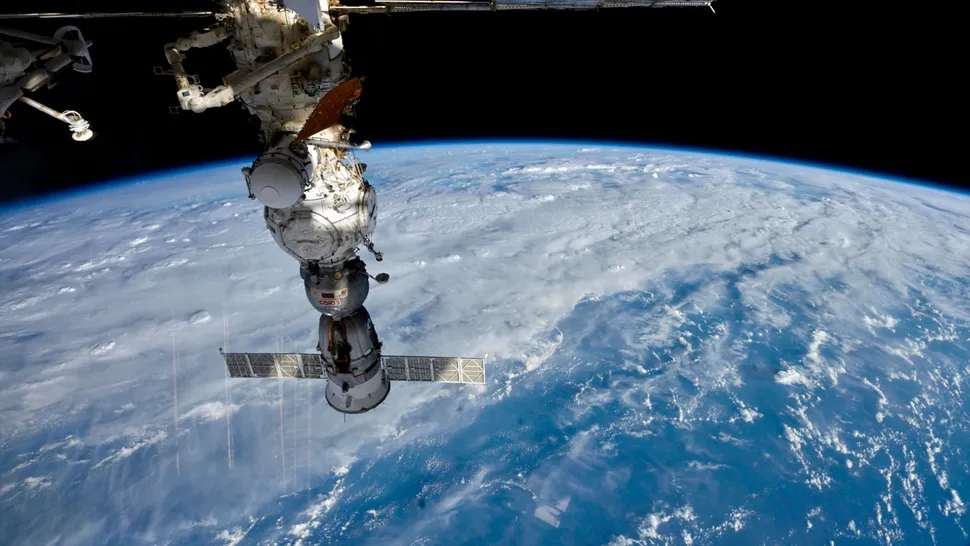
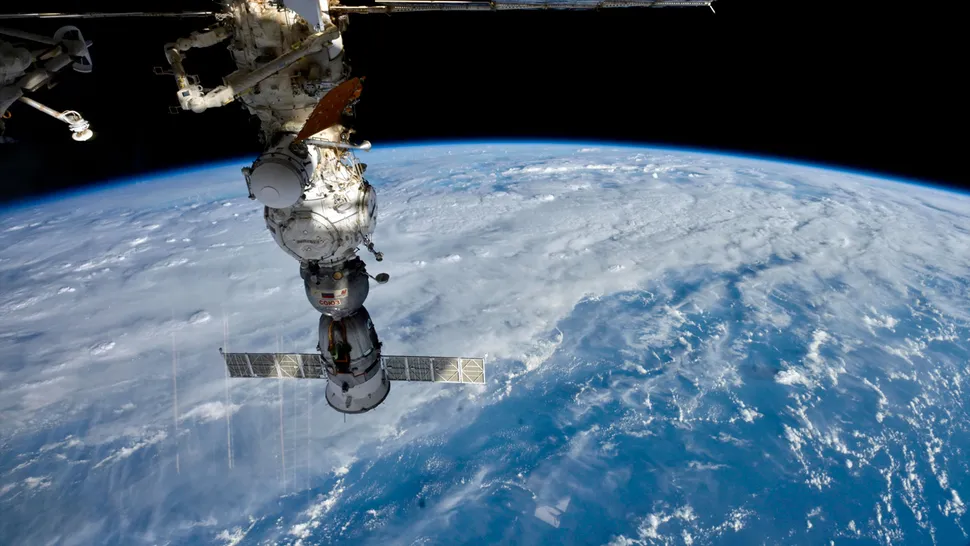
In Sept 2025 SpaceX’s Dragon reboosted the ISS orbit ending decades of full reliance on Russian Progress and marking a new era of commercial space support
September Days That Changed the ISS Orbit
The first week of September 2025 appeared ordinary inside the ISS Astronauts followed their routines running experiments on plant growth in zero gravity repairing instruments that had floated loose and capturing breathtaking photographs of Earth far below Yet behind
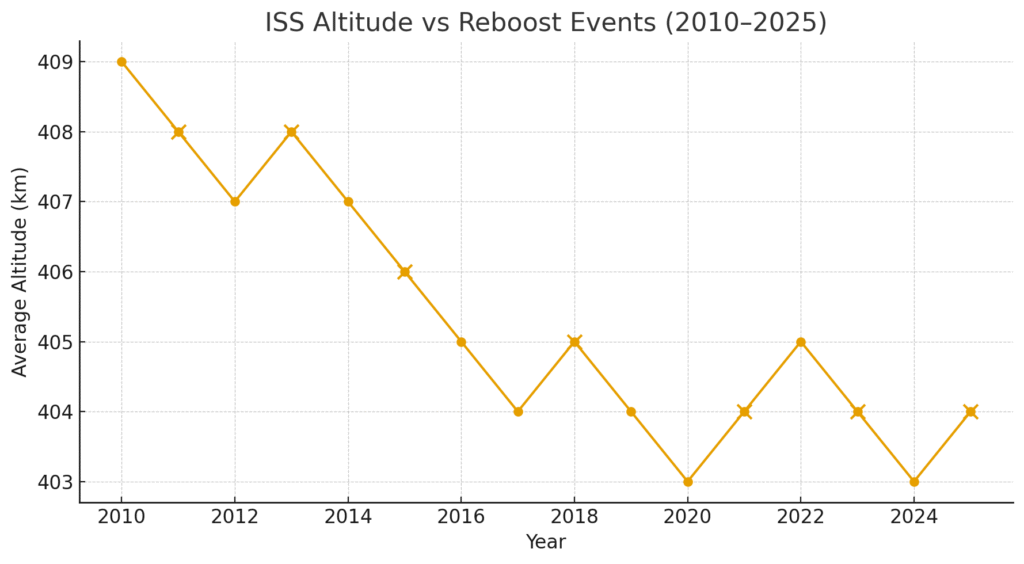
the daily rhythm a quiet tension remained The ISS was slowly drifting lower in its orbit a natural consequence of atmospheric drag that constantly pulls on the massive station Every few weeks this issue demanded attention and engineers on the ground had to carefully schedule reboosts to prevent the station from slipping dangerously close to Earth For years this role was carried out
almost exclusively by Russian Progress vehicles which became a symbol of both reliability and dependence But between September 1 and 5 a new chapter opened For the first time SpaceX’s Dragon spacecraft a capsule originally designed to deliver cargo and supplies took control of
this vital task and fired its engines to push the ISS back into a safe orbit The soundless burn was invisible to people on Earth but for those on board it was history being written in silence
SpaceX Dragon Engines Give ISS a Gentle Push
When the thrusters of Dragon came alive astronauts could feel a subtle vibration running through the walls of the ISS It was as if the station itself took a deep breath regaining its balance in the vastness of space The gentle push slowly lifted the orbit a movement almost too small
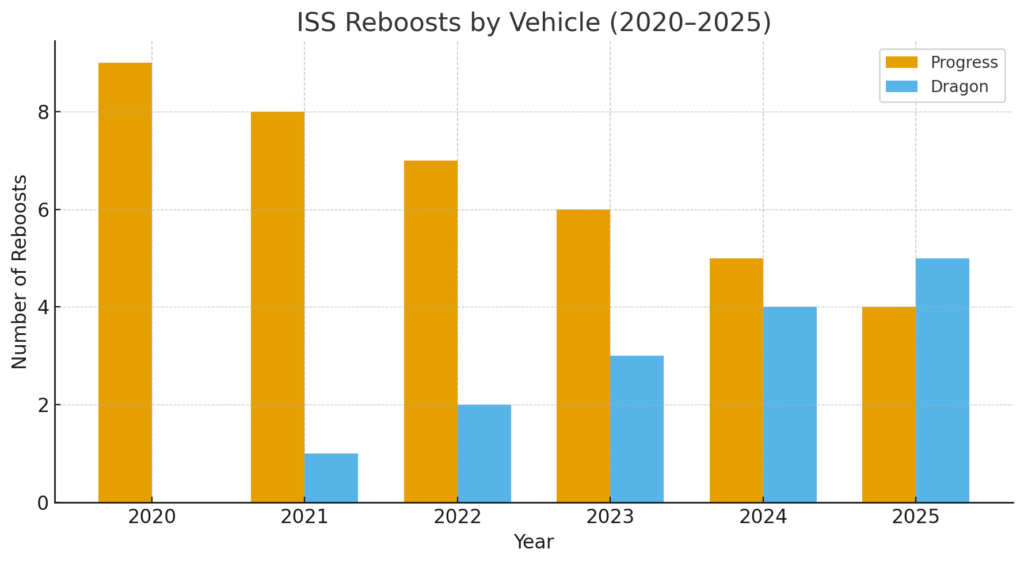
to notice yet large enough to ensure the survival of the largest human habitat beyond Earth For the crew this moment carried deep meaning They knew they were witnessing the first time a private American spacecraft had assumed such responsibility until now only Progress
had carried that burden With Dragon’s engines humming in the background the astronauts glanced out the cupola windows at the curve of Earth below and realized that their safety was now supported by a broader partnership This was more than a technical operation it was proof
that spaceflight was entering an era where governments and private companies together could sustain humanity’s presence in orbit The ISS had just been given a new sense of freedom and the crew could feel that hope in the subtle shake of the station
What This Means for the Future of the ISS and Human Spaceflight
To mission planners on Earth the successful Dragon reboost was a signal of confidence It proved that commercial spacecraft could shoulder responsibilities
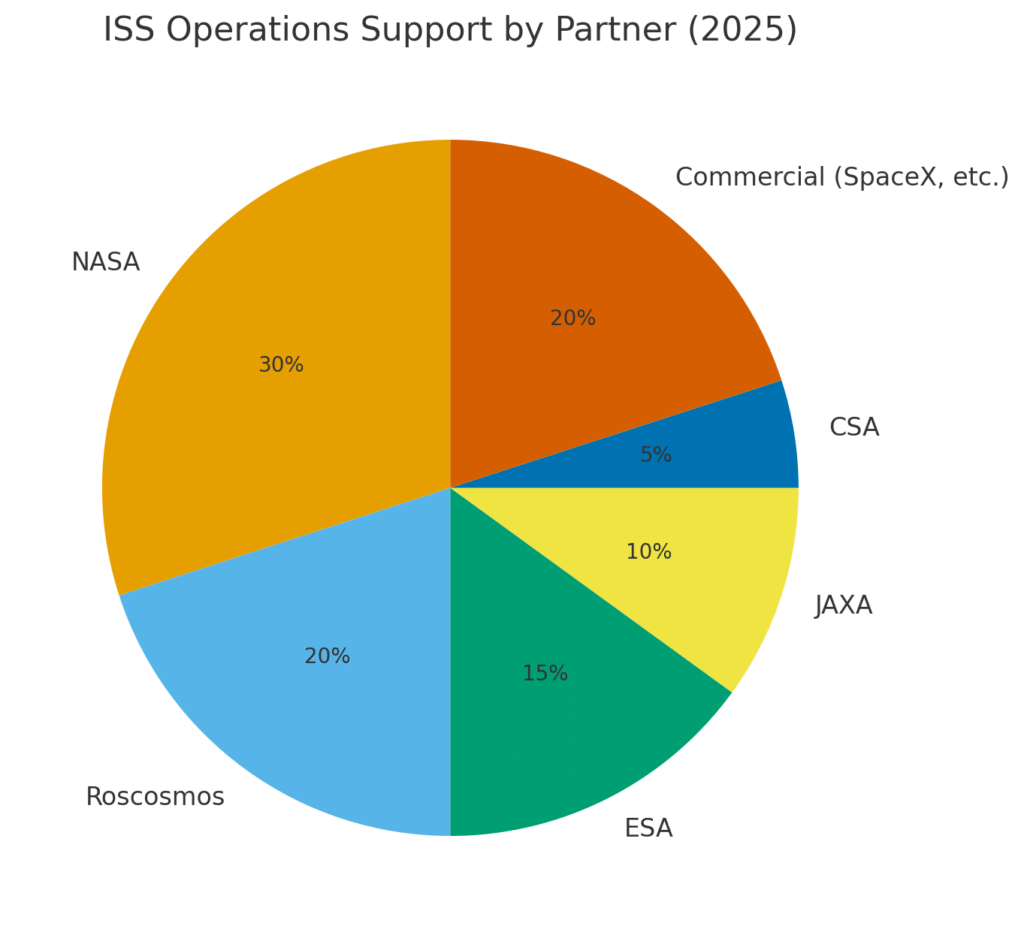
once held only by national space agencies ensuring redundancy flexibility and a longer future for the ISS For astronauts living aboard the station this milestone was personal It gave them reassurance that their orbital home was not dependent on a single system or nation
Instead the ISS could now count on multiple technologies and partnerships increasing both is the a safety and sustainability Beyond the technical details this event carried symbolic weight as well It showed that humanity’s largest cooperative project in space could evolve with time adopting
new technologies and expanding its circle of support This success also laid the groundwork for future space habitats whether private stations orbiting Earth or NASA’s planned
Gateway orbiting the Moon The September 2025 reboost may have lasted only a few minutes but its impact will echo for decades as the ISS continues to inspire humanity with every sunrise witnessed from orbit