

A US court has allowed SpaceX to continue Starship launches from South Texas despite environmental concerns raising debate over balancing space innovation with coastal ecosystem protection
Court Decision Opens Doors for Starship Progress
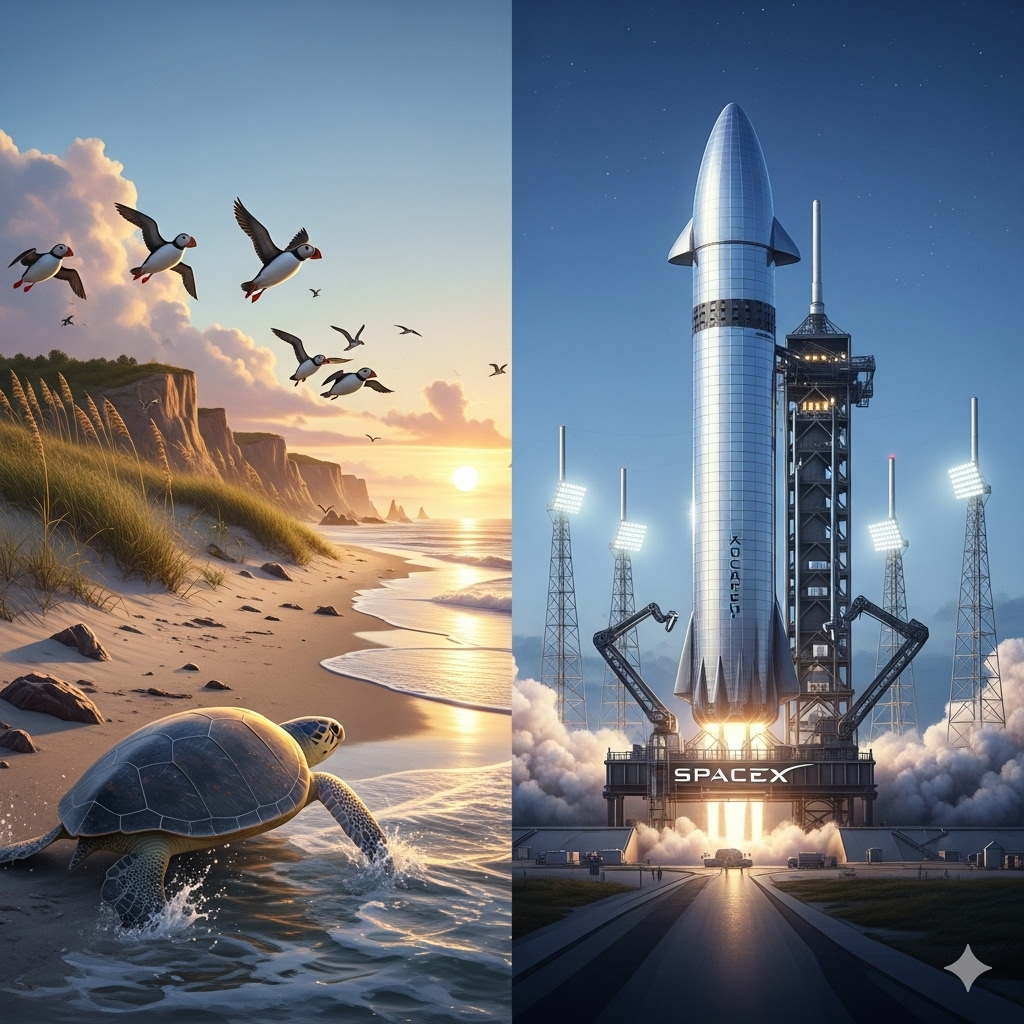
The court approval is a big win for SpaceX because Starship is central to future missions to the Moon and Mars environmental groups had argued that launches
damage fragile ecosystems in South Texas especially near Boca Chica beach but the court decided that innovation and national interest in space exploration carry greater weight
this means the company can continue rapid testing and development without long delays Starship is not only the biggest rocket ever built but also the most ambitious designed to carry
people and cargo beyond Earth this decision now gives SpaceX more freedom to scale tests and prepare for orbital missions that will shape the future of interplanetary travel
The Ongoing Debate Between Environment and Exploration
Even though the court ruling favors launches the debate is far from over environmentalists worry about rocket debris loud explosions and wildlife disruption in protected
areas they argue that the Gulf Coast is home to endangered species and cannot be sacrificed for space experiments supporters on the other hand say that history shows progress always comes with challenges and that space innovation can coexist with conservation if strict safety
rules are followed the real question is how humanity will balance protecting Earth while building a future among the stars the South Texas case may set a precedent for how
courts around the world handle conflicts between local ecosystems and global space ambitions
What This Ruling Means for the Future of Space Policy
The approval for Starship launches in Texas is not just about one company or one rocket it may influence how governments and courts around the world deal
with future space projects as spaceports expand into coastal zones deserts and remote areas more conflicts between environment and exploration are likely to rise this case shows that courts can choose innovation when national goals like lunar missions Mars settlements and satellite networks
are at stake but it also signals that companies must invest in cleaner technologies better waste management and strict monitoring to reduce harm the future of space policy will
depend on finding a middle ground where protecting Earth
and reaching the stars go hand in hand and this Texas ruling might become the model that shapes global space law in the coming decades