
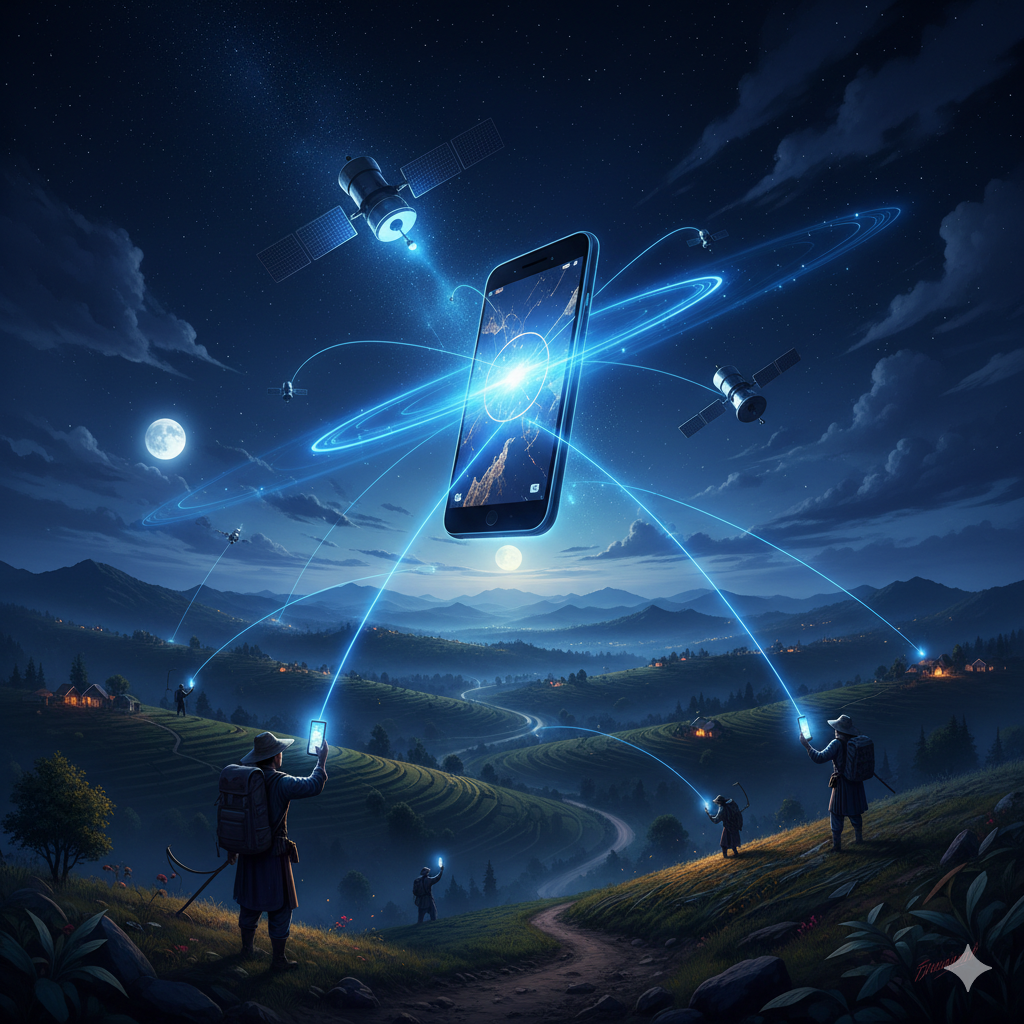
SpaceX’s recent spectrum approval has set the stage for direct-to-device services But the real question is what comes next Will this breakthrough truly make satellite-to-phone a part of daily life or face new challenges
From regulatory greenlight to real-world rollout
SpaceX’s blockbuster spectrum deal made headlines across the telecom and space world because it opened the door for direct-to-device services to move beyond concept Into orbit it looks simple but on the ground it requires aligning thousands of satellites with billions of smartphones The approval gives legitimacy yet the hard part starts now engineers must prove that satellites can maintain stable connections without draining phone batteries or disrupting existing networks This is not just a test of rockets and satellites but of integration between space and consumer technology something that has historically moved slower than launch schedules The coming months will reveal whether this milestone is a real revolution or just the first crack in a larger challenge
The competition will decide the pace of progress
While SpaceX has the early lead with its spectrum win rivals in both telecom and space are moving quickly Amazon’s Kuiper has partnerships lined up OneWeb is testing with global operators and traditional carriers are lobbying regulators to shape the rules The race is no longerreal about who
can launch more satellites but who can deliver seamless connectivity directly to handsets without requiring bulky antennas If SpaceX succeeds it could set a standard for how mobile networks expand into orbit If it stumbles the door is wide open for competitors to claim the space This next chapter will be less about raw power and more about who can integrate space systems into everyday life the fastest
Direct-to-device as the future of universal coverage
The promise of direct-to-device is bigger than just one company winning a spectrum license it represents a vision where every phone on the planet can stay connected even in the most remote regions Farmers in rural lands sailors in open oceans or hikers deep in the mountains could all have
the same access as people in big cities This shift has the potential to close the digital divide and turn connectivity into a basic utility like electricity or clean water For real SpaceX the approval is a major milestone but for humanity it could mark the beginning of an era where being offline is no longer normal This is not just about spectrum it is about making universal access to communication a reality