
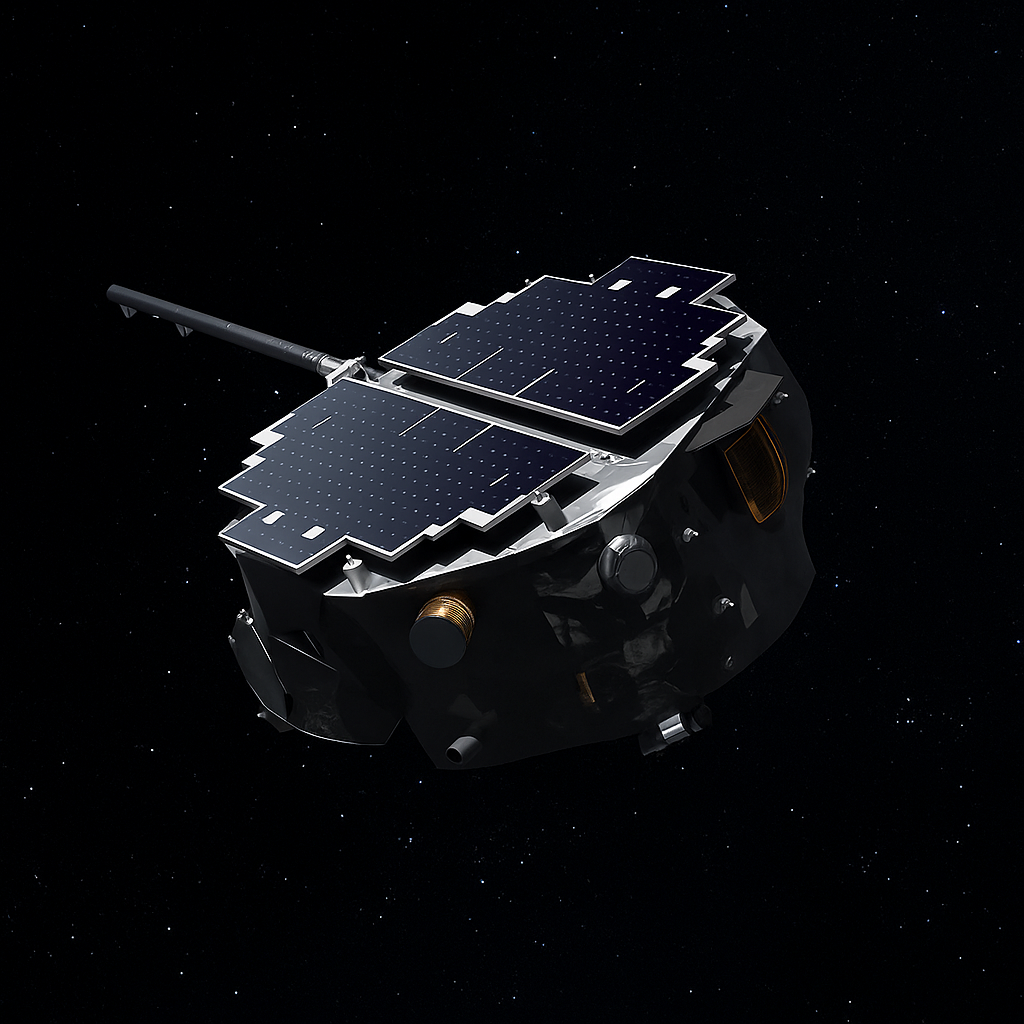
NASA’s IMAP mission launches Sept 23 on SpaceX Falcon 9 to explore the boundary of our solar system and reveal secrets of interstellar space
IMPS Mission and Why It Matters for the Solar System
The mission is designed to push the limits of exploration where the solar wind meets the unknown regions of interstellar space the spacecraft will ride on a SpaceX Falcon 9 rocket scheduled for Sept 23 from Cape Canaveral it carries instruments capable of tracking
charged particles that move beyond the heliosphere scientists say this will be a game changer for future space research the project brings together international collaboration including NASA Princeton University and ESA the focus is to answer how cosmic rays and solar winds interact
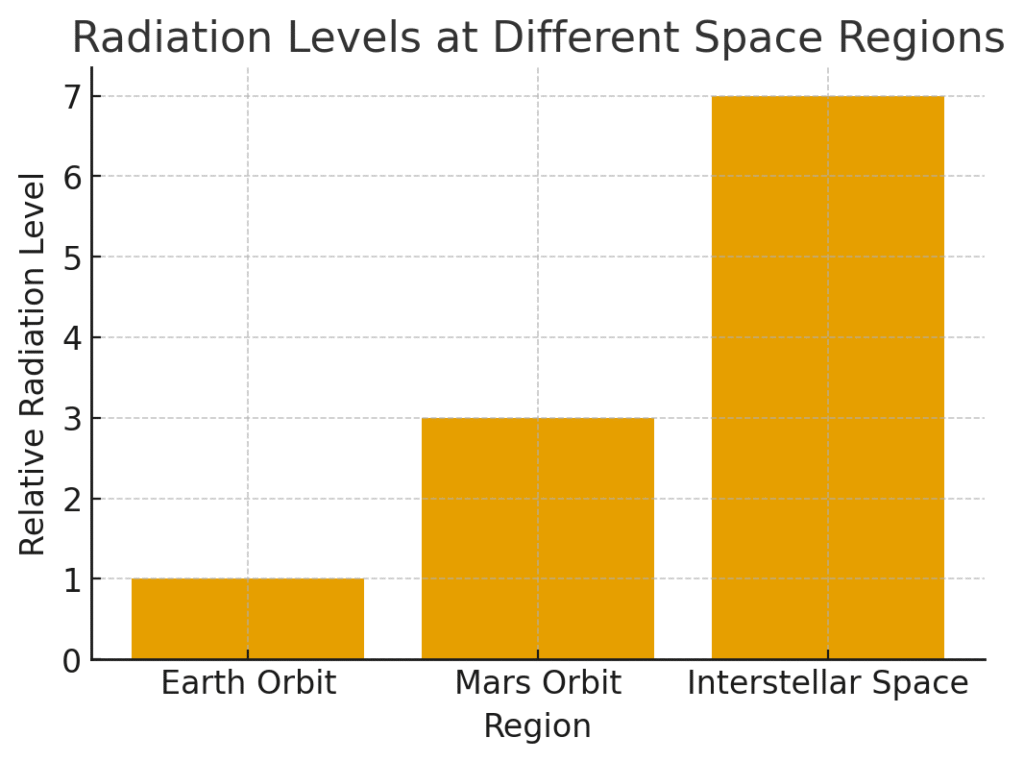
near the boundaries of our home system researchers have long waited for a mission like this to give real time insights instead of just models with new data space agencies
will understand how our planet is shielded from dangerous galactic radiation this protection is critical for astronauts and satellites orbiting Earth without these findings human exploration
beyond Mars will face more risks overall it will mark a historic step in space science while creating a path for humanity to push further into the cosmic
Instruments on Board and the Science Goals Behind IMAP
The spacecraft comes with ten scientific instruments carefully selected to measure particles magnetic fields and solar winds each of these devices will give scientists unique data points that help decode how the heliosphere functions the spacecraft will act like a detective
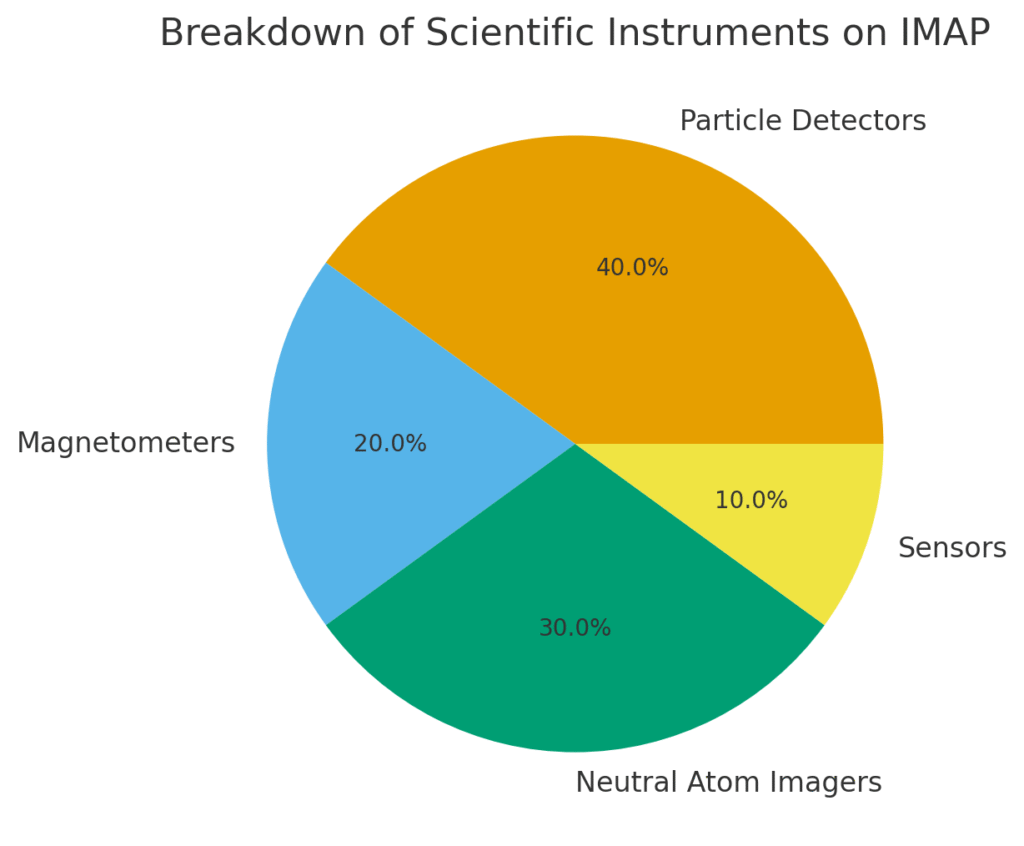
at the boundary of space identifying where solar influence ends and interstellar space begins the instruments will map energetic neutral atoms that fly across the solar system this mapping is crucial because it shows the invisible shield protecting us the spacecraft also carries
sensors that monitor high energy particles which are harmful for human bodies during long missions the science goals are wide but one key target is predicting
space weather events by observing the raw interaction zone the mission will help us know how storms on the sun affect Earth by combining data with other missions it will
deliver a full picture of the space environment researchers say this mission is not only about science but also about securing future exploration safety from Mars missions to asteroid mining its results will guide engineers and astronauts toward safer journeys
Timeline and SpaceX Role in the Launch
The IMPS spacecraft comes with ten scientific instruments carefully selected to measure particles magnetic fields and solar winds each of these devices will give
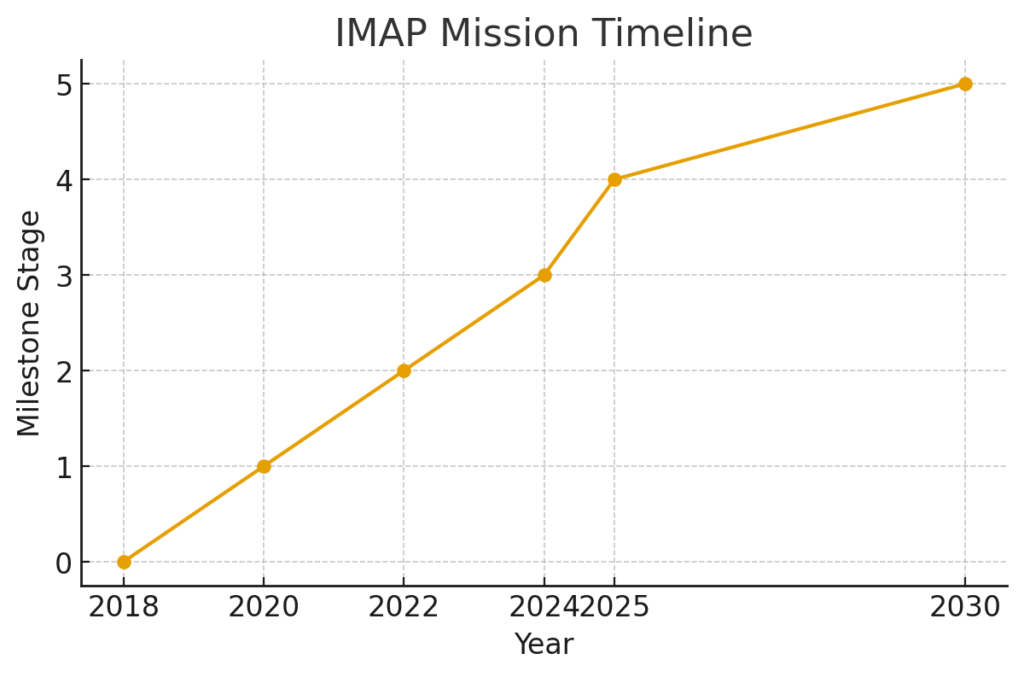
scientists unique data points that help decode how the heliosphere functions the IMAP spacecraft will act like a detective at the boundary of space identifying where solar influence ends and interstellar space begins the instruments onIMAP will map energetic neutral atoms that fly across the solar
system this mapping is crucial because it shows the invisible shield protecting us the IMAP spacecraft also carries sensors that monitor high energy particles which are harmful for
human bodies during long missions the science goals of IMAP are wide but one key target is predicting space weather events by observing the raw interaction zone the IMAP mission will help us know how storms on the sun affect Earth by combining data with other missions IMAP will deliver a full picture of the space environment researchers say this mission is not only about science but also about securing future exploration safety from Mars missions to asteroid mining the results of IMPS will guide engineers and astronauts toward safer journeys
Future Discoveries Expected from the IMAP Mission
Scientists believe the mission will lead to discoveries that transform our understanding of cosmic boundaries first the spacecraft will explore how cosmic rays enter the solar system helping scientists understand how radiation flows toward Earth second it will provide
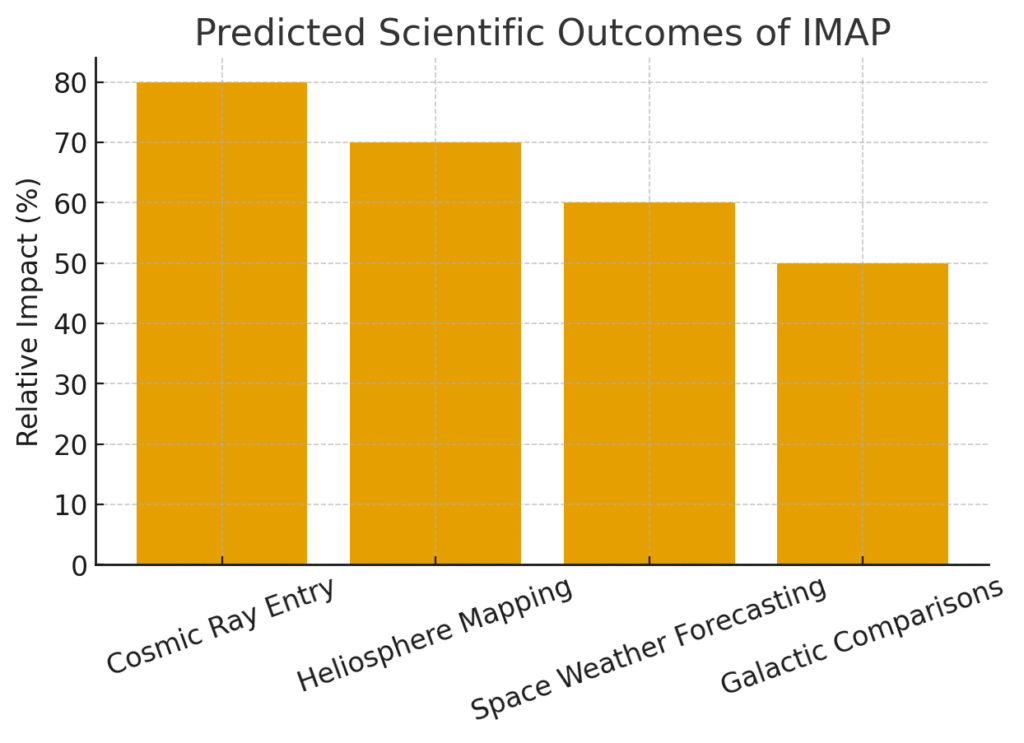
clues about the heliosphere structure which acts as a shield from interstellar particles third the mission may also discover unknown particle interactions never observed before leading to new physics beyond current models researchers also expect it to improve forecasting of
solar storms by learning how the solar wind weakens or strengthens near the edge of our solar system the mission could also reveal how our solar bubble compares to those
of other stars it might even explain why some cosmic rays are stronger in certain directions unlocking mysteries of galactic evolution overall it is not just a mapping project
but a gateway to a deeper cosmic view the data will be open for global scientists ensuring collaboration across borders the mission is expected to redefine how humanity sees its place in the galaxy and open new questions for the next generation of explorers IMAP