
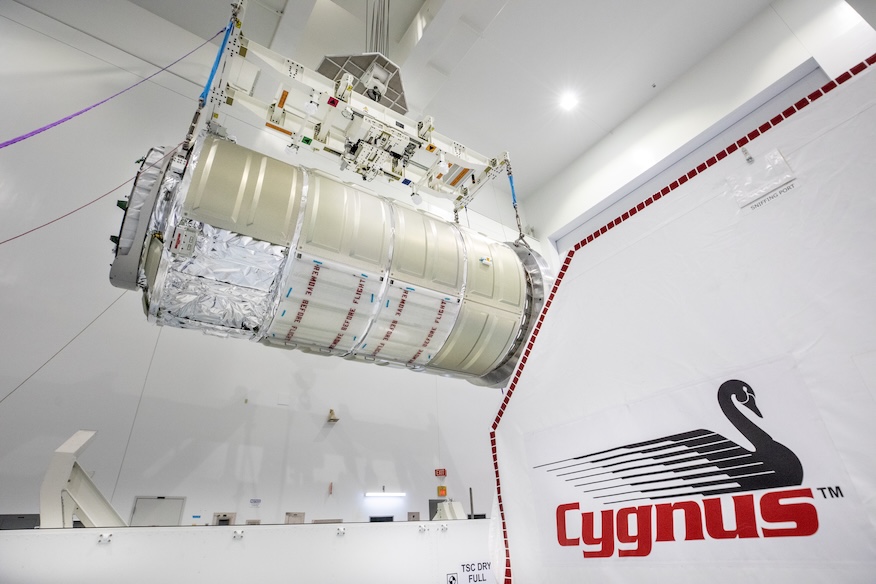
SpaceX will launch the upgraded Northrop Grumman Cygnus XL spacecraft to the International Space Station with more cargo space advanced design and a new chapter for astronaut resupply missions in 2025
SpaceX and Northrop Grumman Partnership for Cygnus XL ISS Resupply Mission

In 2025 the world will witness a partnership that shows how commercial spaceflight has grown beyond imagination SpaceX known for its Falcon 9 rockets and Northrop
Grumman famous for its cargo ship Cygnus are now joining hands in a way that sets a new milestone The Cygnus XL is not just another spacecraft it is a redesigned and enlarged version of the trusted cargo ship built to serve the International Space Station in a more powerfu
l way This mission marks the first time that SpaceX Falcon 9 will lift a Cygnus XL toward orbit combining the reliability of Falcon with the strength of a bigger cargo
vessel Astronauts aboard the station depend on these shipments for food water equipment and science and this time the shipment is larger than ever The partnership
also highlights how NASA encourages private companies to work together so that no single player controls the future of supply to space Together SpaceX and Northrop
Grumman are building a model where competition can turn into collaboration and where every mission is not just about carrying boxes but about carrying the hope of continued human presence in space
The Significance of Cygnus XL Debut Flight
The debut of Cygnus XL is more than a technical upgrade it feels like a new generation of delivery trucks arriving to serve a remote village where every package matters the astronauts who live and work inside the space station rely on resupply missions the way families rely on
grocery stores and shipments from Earth and when a new bigger spacecraft arrives it changes the daily rhythm of life in orbit Cygnus XL carries more food more tools and more science which means astronauts can spend less time worrying about shortages and more time
focusing on research from medical experiments to climate observations every item packed inside tells a story of progress and discovery the larger design
of Cygnus XL also means fewer flights are needed to carry the same amount of cargo saving cost time and effort for NASA and its partners in many ways
this first launch is a proof of concept if the XL works well it will set the stage for future missions that are even larger and more efficient making the dream of sustained space living not only possible but practical
Why the International Space Station Needs Bigger Cargo Ships in 2025
Astronauts aboard the station live in a place that is both advanced and fragile everything they use has to be sent from Earth the number of experiments grows every year
the station crew rotates regularly and long duration missions mean more demand for food clothing medical supplies and spare parts the earlier generation of cargo ships
including the older Cygnus and other commercial vehicles did their job well but as science expanded so did the need for room Cygnus XL was designed to answer this challenge
it brings a bigger pressurized module with space to pack more payload in a single launch which reduces the stress of frequent supply runs NASA can now schedule fewer
missions but deliver more in each one giving astronauts a sense of security the new ship also prepares the station for future growth including commercial modules that will
soon attach to the ISS in 2025 the demand for larger cargo is not just about numbers it is about preparing for the next step toward living in space longer and more independently